
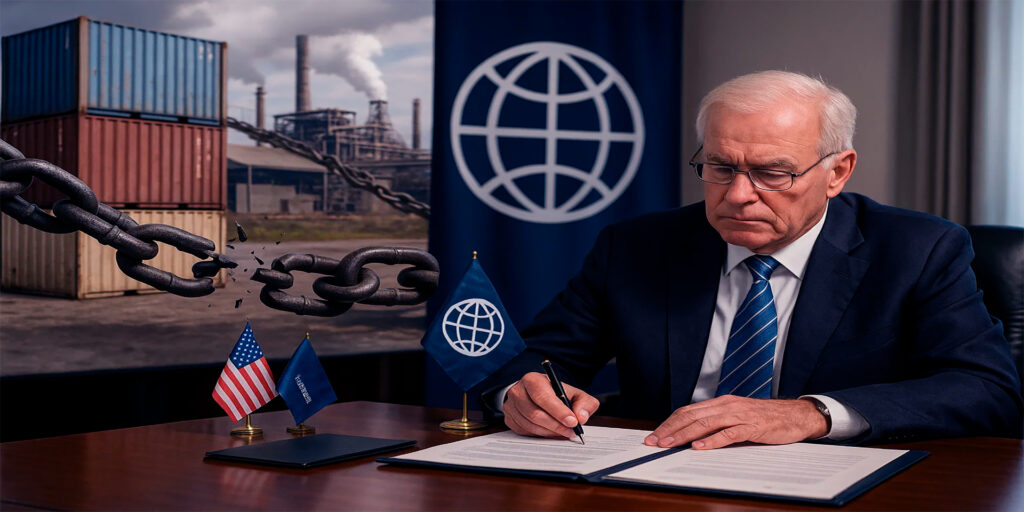
The Role of International Financial Institutions in Lending to Countries with Broken Supply Chains
When supply chains collapse, entire economies can stall. Factories wait on missing parts, retailers face empty shelves, and governments scramble to keep trade flowing. In such moments, international financial institutions (IFIs) step in with crisis lending. Their loans give nations breathing space to stabilize imports, support critical industries, and prevent deeper economic breakdown. Understanding how these institutions work, where their money goes, and the impact on fragile economies shows why they remain central in times of disruption.
Why IFI Lending Matters in Supply Chain Breakdowns
Disrupted supply chains hit countries unevenly. Smaller economies dependent on imports often suffer the most. A shortage of shipping containers, a port strike, or a war in a major transit hub can mean higher prices, shortages of fuel, or stalled factories. International financial institutions such as the IMF, World Bank, and regional development banks lend emergency funds to cushion these shocks. Without this lending, many nations would run out of reserves, leaving hospitals short of medicines or power plants unable to buy fuel. Loans not only provide liquidity but also restore confidence in markets, reassuring investors and suppliers that governments can still pay their bills.
Types of International Institutions Involved
Several key players provide this kind of lending. The International Monetary Fund (IMF) is often the first responder, offering short-term financing to stabilize currency and reserves. The World Bank funds projects that help rebuild logistics infrastructure, such as ports, railways, and customs systems. Regional banks like the Asian Development Bank or the African Development Bank focus on regional trade flows, providing credit lines for energy imports or agricultural supplies. Each institution has a different role, but together they form a safety net for economies facing sudden trade disruptions.
| Institution | Main Role | Example of Support |
|---|---|---|
| IMF | Stabilizes reserves and currency | Emergency lending to cover import bills |
| World Bank | Funds infrastructure recovery | Loans for port and transport repairs |
| Regional Development Banks | Support regional trade and industry | Financing energy imports or food supply programs |
How Loans Are Used During Supply Chain Crises
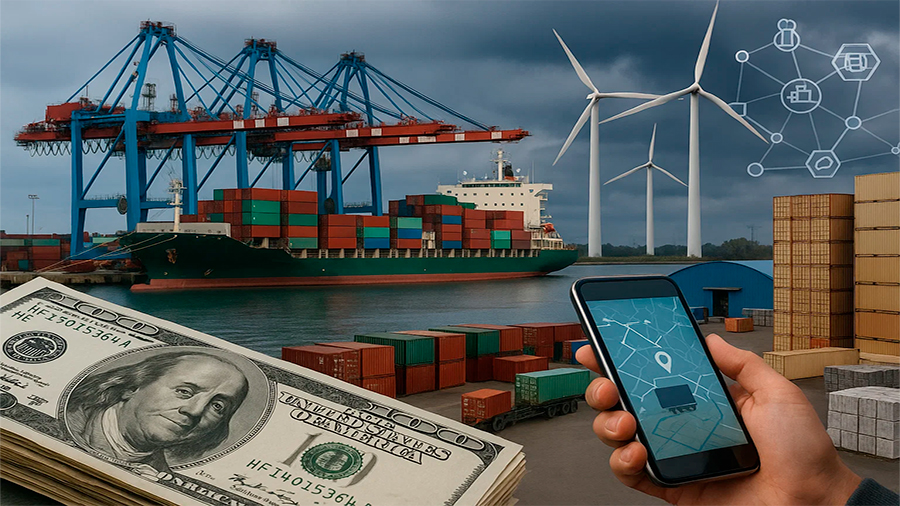
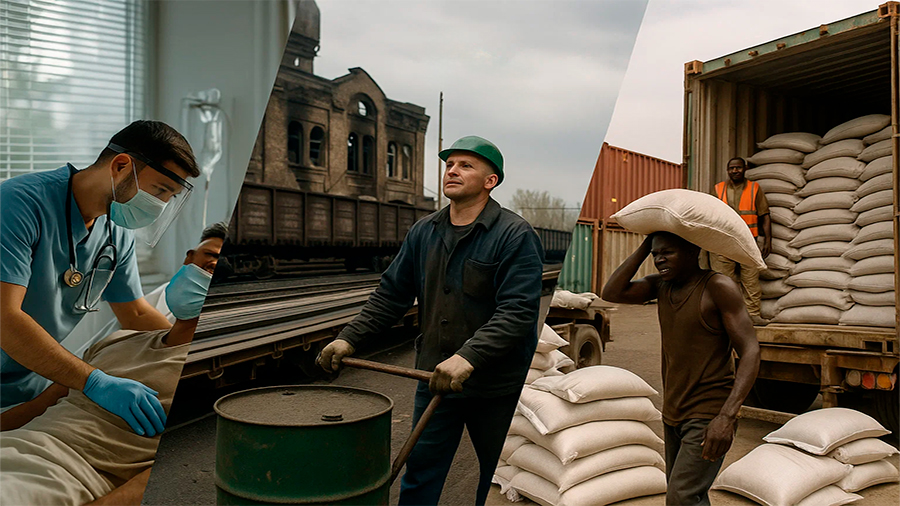
Emergency loans are rarely used for luxury spending. They go directly into maintaining essentials. Governments use them to pay for shipping fuel, importing medical supplies, or stabilizing food markets. They also help clear backlogs at ports, repair damaged infrastructure, or set up new trade routes when old ones are blocked. In many cases, these funds prevent inflation from spiraling out of control by ensuring a steady flow of critical imports. While citizens may not always see the connection, a loan that keeps fuel or grain flowing can prevent blackouts and food shortages.
Common Areas Where Funds Go
- Importing grain, medicine, and fuel.
- Clearing unpaid bills with international suppliers.
- Supporting local banks to issue trade credit.
- Repairing damaged transport hubs or ports.
Examples from Recent Disruptions
Several recent crises show how IFI lending works in practice. During the COVID-19 pandemic, when global supply chains froze, the IMF provided rapid financing to over 80 countries, helping them cover essential imports. In Ukraine, World Bank loans supported critical logistics and energy needs after war disrupted trade routes. In Africa, the African Development Bank offered emergency credit to countries facing food shortages when shipping delays hit grain imports. These examples highlight that lending is not theoretical—it directly shapes how countries survive sudden supply shocks.
Challenges and Criticism
IFI loans are not without problems. They often come with conditions requiring structural reforms, which can be unpopular in borrowing countries. Debt sustainability is another concern—borrowing heavily during crises can increase long-term repayment pressure. Critics argue that emergency loans sometimes arrive too slowly or prioritize financial stability over immediate humanitarian needs. Others point out that reliance on IFIs may discourage governments from building stronger domestic safety nets or reserves. Still, despite these criticisms, few alternatives exist for countries needing billions in foreign currency quickly.
Comparing Loan Approaches
Different institutions approach lending in distinct ways. The IMF focuses on stabilizing financial systems quickly, while the World Bank often ties loans to long-term projects. Regional banks combine both approaches, offering trade financing alongside development programs. These differences matter because they shape how quickly economies recover and whether supply chain resilience improves afterward. Countries often borrow from multiple institutions at once, blending emergency liquidity with longer-term development support.
| Approach | Strength | Limitation |
|---|---|---|
| IMF Short-Term Loans | Fast response, stabilizes reserves | Often tied to strict economic reforms |
| World Bank Development Lending | Improves long-term logistics infrastructure | Slower impact, bureaucratic process |
| Regional Bank Credit | Focuses on regional trade and needs | Limited capital compared to global lenders |
The Broader Economic Impact
When IFIs step in, they do more than move money—they stabilize confidence. Suppliers abroad continue shipping goods when they see that governments have fresh credit lines. Local banks keep issuing letters of credit, ensuring businesses can keep importing. This prevents panic, where shortages lead to hoarding and inflation spikes. In the longer term, loans that fund logistics upgrades—like better ports, rail links, or customs systems—reduce vulnerability to future shocks. Without these interventions, broken supply chains could leave countries locked in prolonged recessions, with job losses and rising poverty.
Future Trends in IFI Crisis Lending
The next phase of IFI involvement in supply chain lending is likely to look different. Climate change is already causing more frequent disruptions, from floods to droughts affecting global trade routes. Institutions are starting to tie emergency loans to investments in green logistics, encouraging countries to modernize ports with lower emissions technology or fund renewable energy infrastructure to reduce dependence on imported fuel. Digital trade finance is another growing area—using blockchain and fintech platforms to speed up cross-border payments and cut delays in customs clearance. This trend not only provides faster liquidity but also reduces opportunities for corruption. Finally, resilience funding is becoming more prominent, with loans designed not just to respond to shocks but to build buffer systems in advance. That means financing for warehousing capacity, diversified shipping routes, and strategic reserves, reducing the likelihood of total collapse when disruptions strike again.
Conclusion
International financial institutions play a central role in helping countries survive supply chain crises. Their loans cover urgent import bills, stabilize reserves, and keep economies functioning when trade flows break down. While not perfect and sometimes controversial, these programs often mark the difference between recovery and collapse. For nations with fragile economies, IFI lending remains one of the few tools capable of keeping food, medicine, and energy moving when global supply chains fail. In a world of increasing uncertainty, this safety net is more vital than ever. As future disruptions intensify, IFIs will not only provide emergency cash but also shape how countries prepare their logistics systems for a more volatile global economy.